
About Manas city
It originated as a village near healing springs located on Mount Ayub-Too. Near these sources there is a mazar over the grave (according to local legend) of one of the Muslim saints Khazret-Ayub Sabrulla (long-suffering), who lived on this mountain five thousand years ago and was healed of leprosy for his devotion to Allah (Saint Job is the main character of the biblical book of Job ). According to this legend, the cured Khazret Ayub first created two hot springs with kicks, and then stuck his staff into the worms that fell out of his wounds. The staff turned into a mulberry tree, and the worms that climbed this tree turned into silkworm cocoons. Khazret Ayub's wife, Bibi Rahim, began to spin silk from cocoons. In honor of her, one of the springs, Kyz-Bulak, is named, in which, according to legend, she found her youth. Pilgrims went to these springs for worship and for the treatment of rheumatism, scrofula, malaria, and other skin and stomach ailments. In Central Asia and the Middle East there are several more mazars of St. Job: in Bukhara, Syria, Oman, Turkey, and Lebanon.
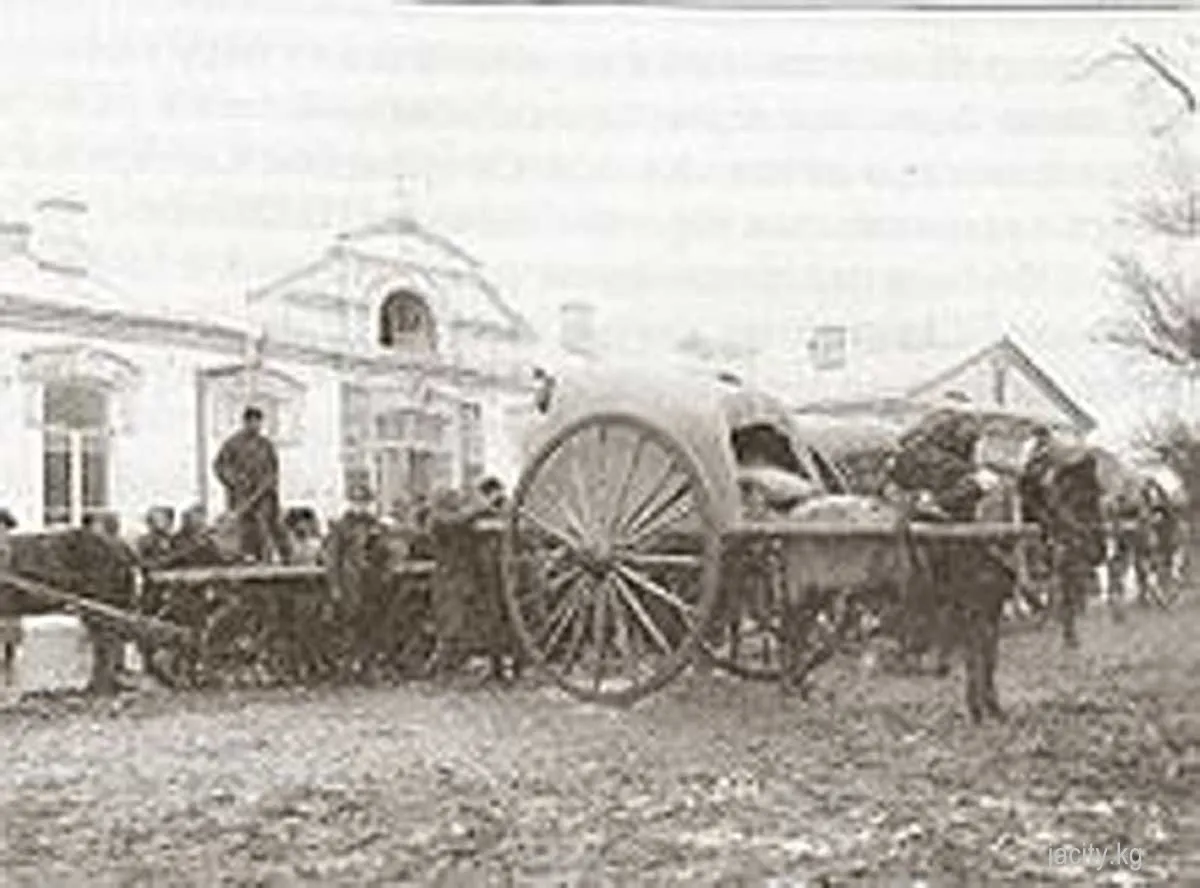
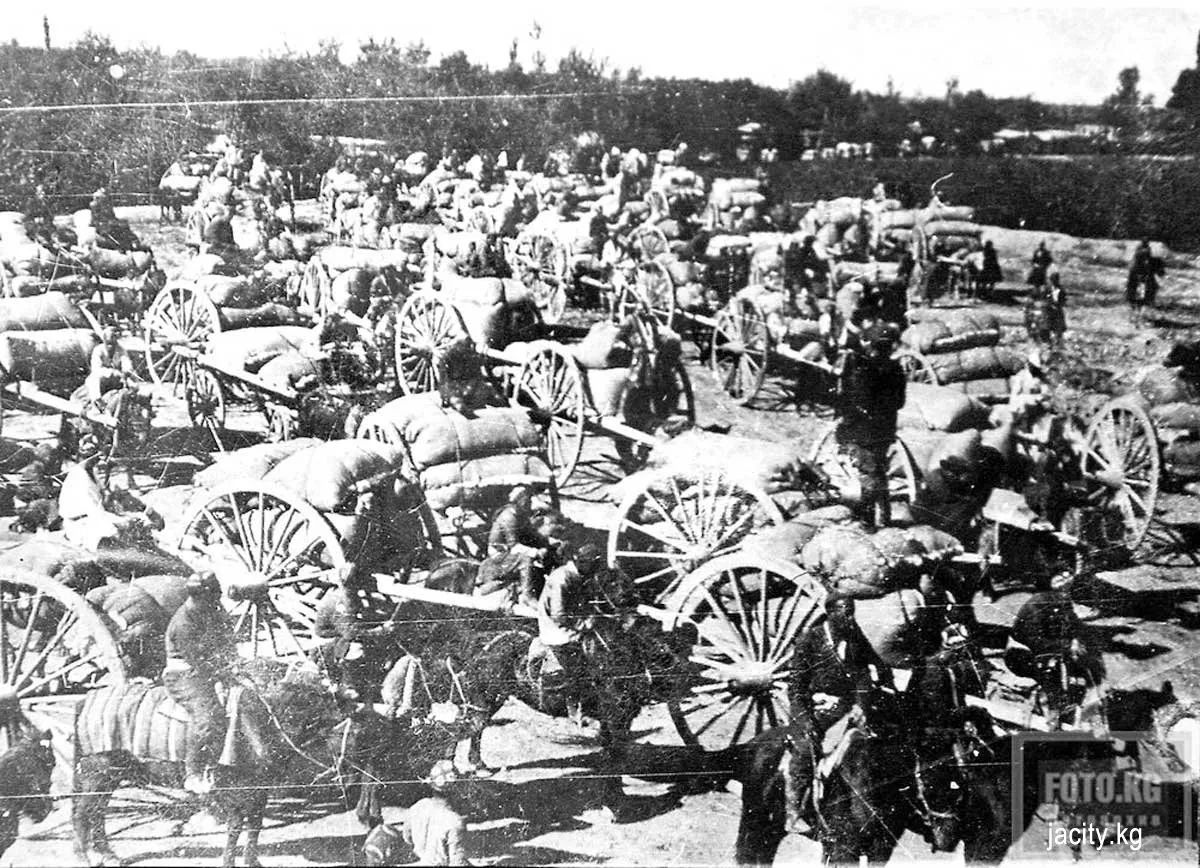
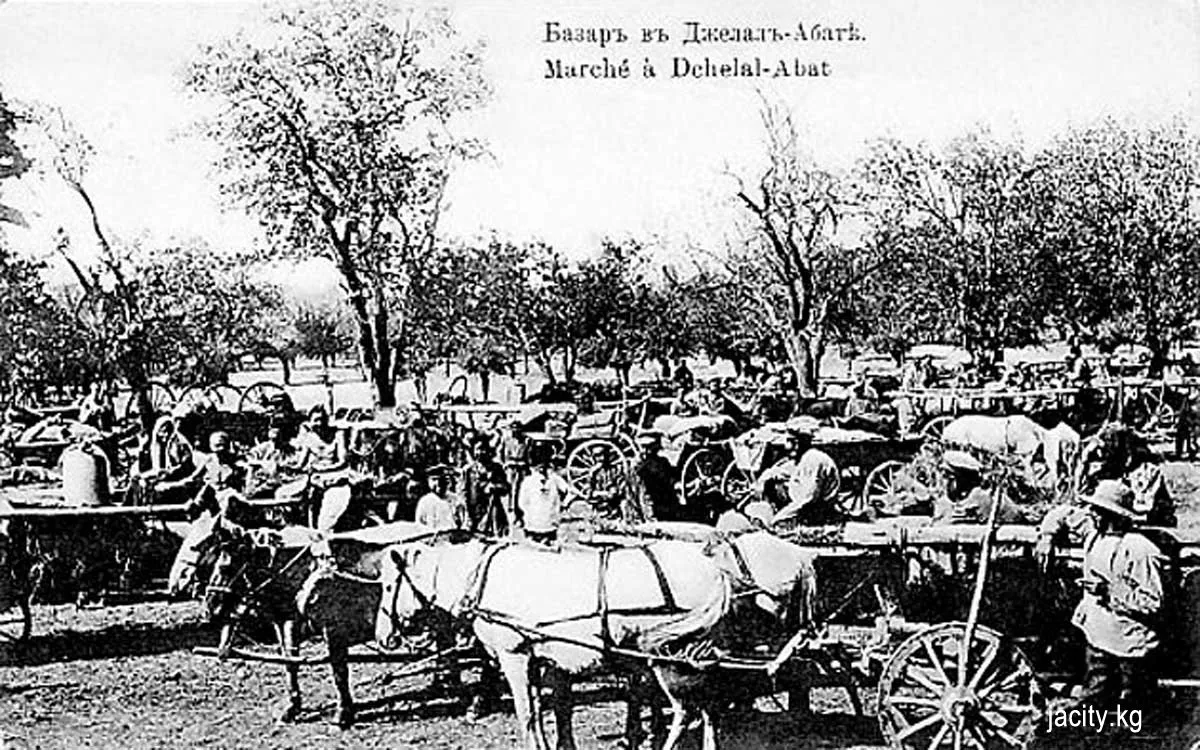
At the beginning of the 19th century, a fortress of the Kokand Khanate was built here. The local residents of the village served pilgrims to the holy mineral springs and were engaged in agriculture, cattle breeding, growing rice, melons and fruits. With the growth of the population of the village, craftsmen (potters, artisans) appeared in it, handicraft workshops developed, which later gave rise to small processing enterprises. With the arrival of Russian troops, cotton cultivation began in the region.
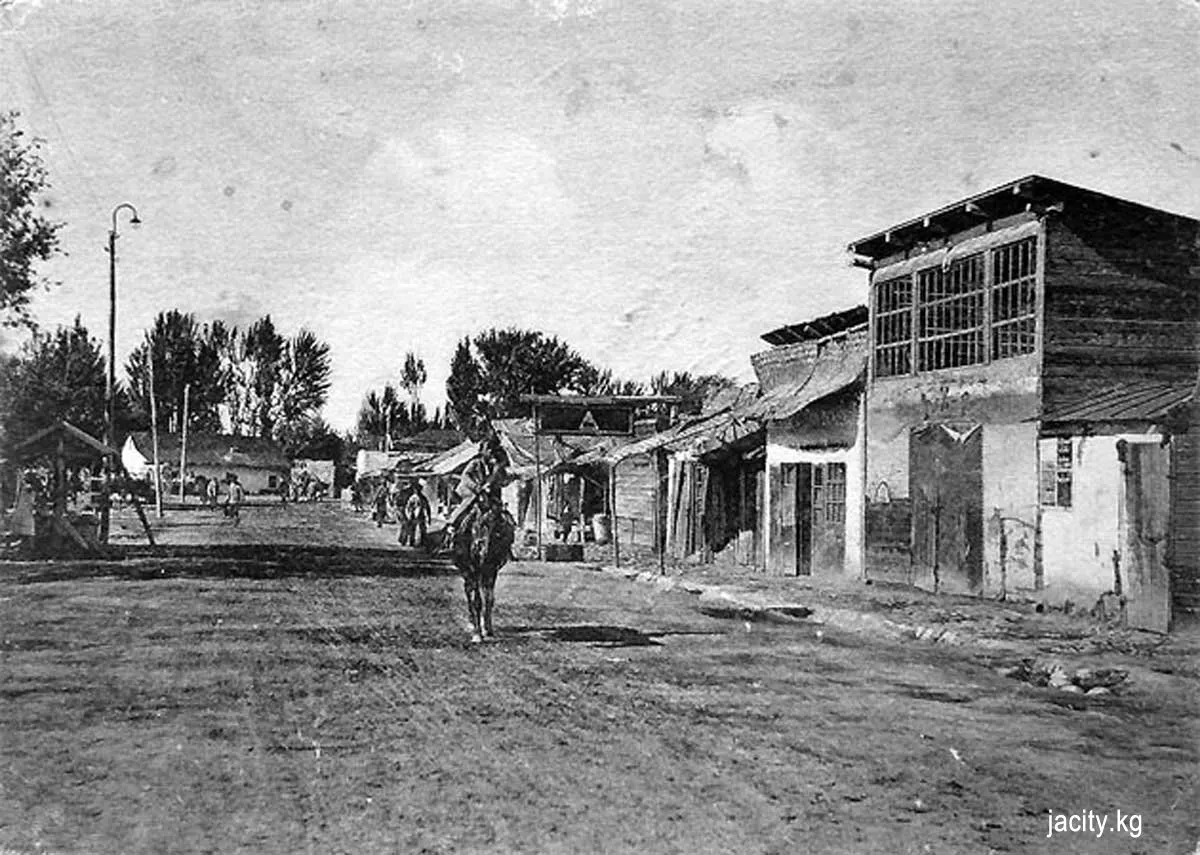
The official date of formation of the city is October 1877, the year when Russian troops set up a fort at the foot of Ayub-Too. By the time the Fergana Valley was annexed to the Russian Empire, Jalal-Abad was not a significant settlement. It is not marked either on the Skyler map (1875) or on the Lusilin map (1876), unlike the neighboring village of Suzak, which in 1909 exceeded Jalal-Abad in terms of population.
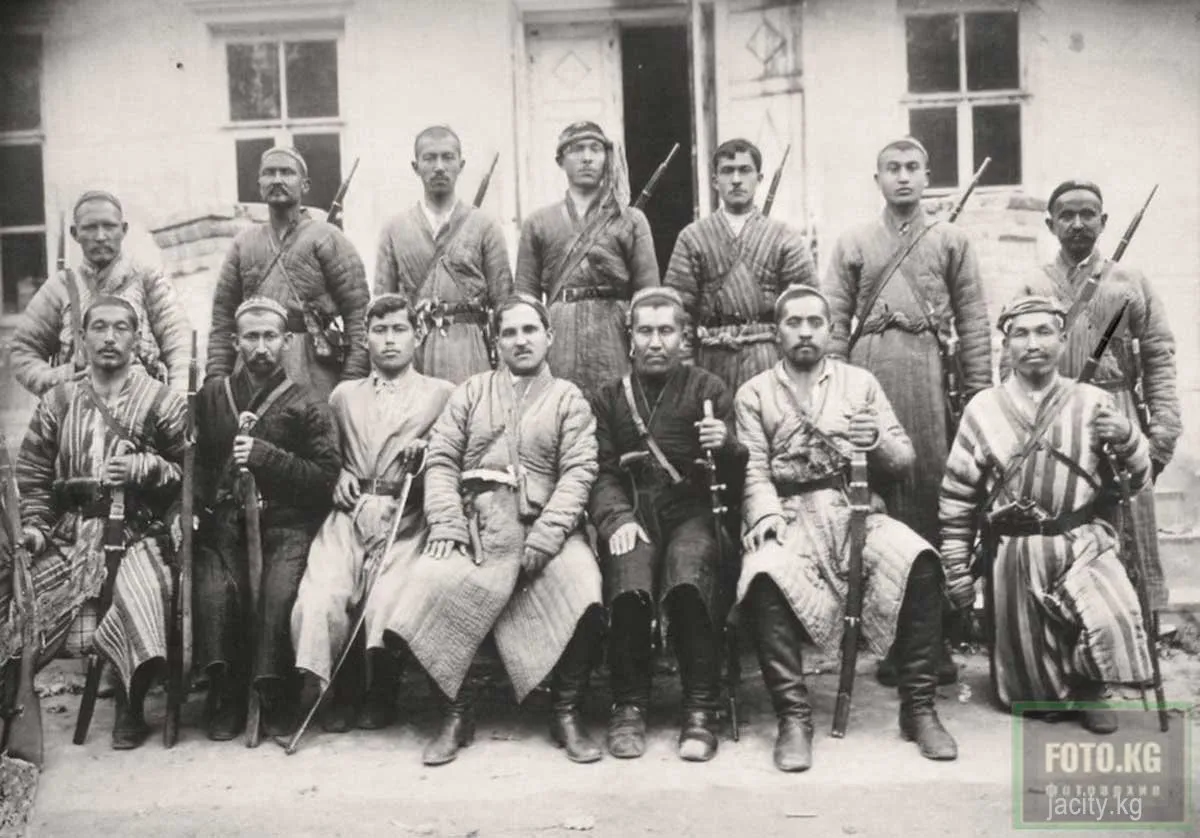
The rise of Jalal-Abad began only after the Russian administration of the Jalal-Abad section of the Andijan district of the Fergana region settled in it. The population of the village by 1909 was 1100 people, mostly Uzbeks. In 1903, the head of the Jalal-Abad volost was min-bashi Kambar-Ali (Akhmatkul Kambar Aliyev), who was subordinate to Colonel Korytov, head of the Andijan district.
In 1902, Russian officer N.L. Korzhenevsky, with the support of his military command, developed and installed two solar telegraph stations for two-way communication between Osh and Jalal-Abad. Many military men were treated at the Jalal-Abad mineral springs, and therefore a reliable connection with the county town of Osh was very necessary.
On June 1, 1916, the first post office was opened in the city.
In 1916, 6 thousand inhabitants lived in the city.